

Duct Sealing
Professional Service | Signs | Common | How Sealing Works
Professional Duct Sealing in Memphis & the Mid-South
Stop energy loss, improve airflow, and make your HVAC system work the way it should.
If some rooms in your home are too hot, too cold, or your energy bills keep rising, the problem may not be your HVAC unit — it could be your ductwork.
Most homes lose 20–40% of conditioned air through leaks, gaps, and disconnected ducts in the attic or crawlspace. That’s air you already paid to heat or cool, escaping before it ever reaches your living space.
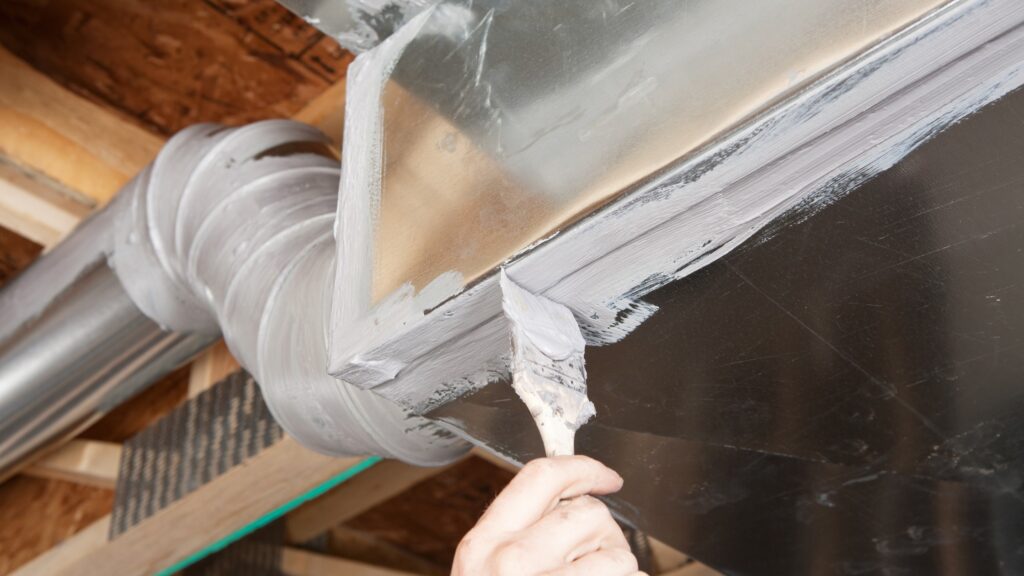
Everhome is one of the few companies in the Mid-South that professionally seals duct systems to restore proper airflow, efficiency, and comfort.
What Is Duct Sealing?
Duct sealing is the process of locating and closing leaks, gaps, and loose connections in your HVAC ductwork using professional-grade sealants and insulation techniques.
This prevents conditioned air from escaping into your attic or crawlspace and ensures it reaches the rooms in your home.
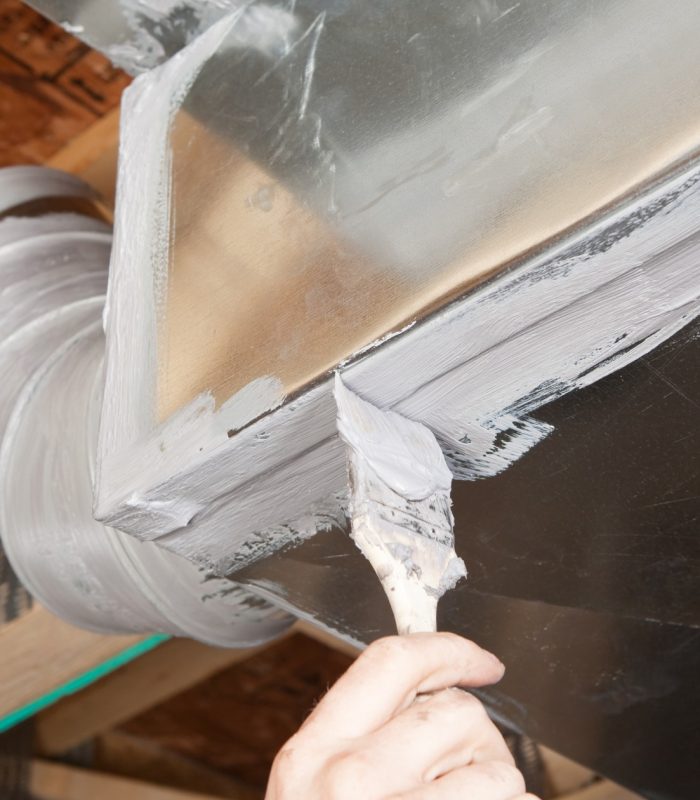
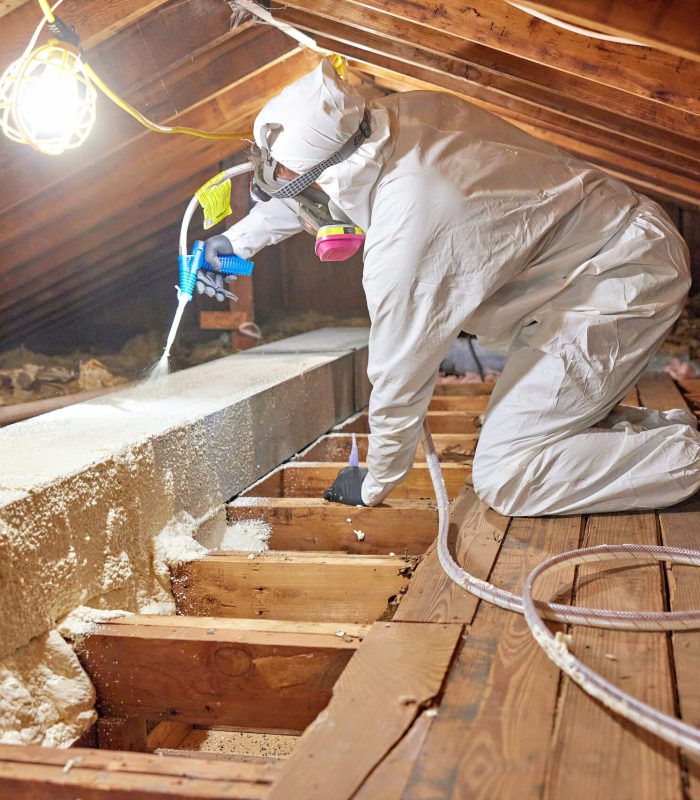
Duct mastic
Duct mastic is a specialized sealant designed to close joints, seams, and gaps within your duct system. It prevents air leaks and ensures maximum airflow efficiency, helping your HVAC system deliver consistent performance throughout your home.
Spray foam:
Spray foam provides both duct sealing and insulation in a single application. Once applied, it helps maintain consistent air temperature inside your ducts, so the air you pay to heat or cool reaches your rooms efficiently without energy loss.
Signs Your Home Has Leaky Ductwork
Weak airflow from vents
Uneven temperatures from room to room
High heating and cooling bills
Excess dust in the home
Hot attic / musty crawlspace air entering the home
HVAC system runs constantly
Where Duct Leaks Commonly Occur
- Attics
- Crawlspaces
- Around duct joints and connections
- At vents and register boots
- Older flexible duct lines
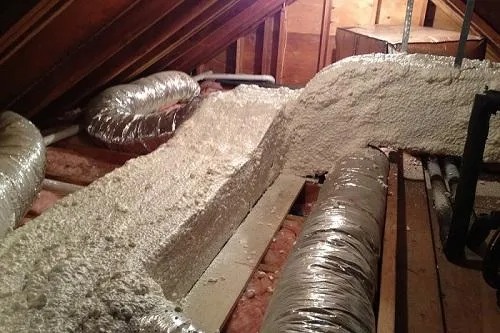
Our Complete Duct Sealing Process
- Full inspection of accessible ductwork
- Identify air leaks, loose joints, and poor connections
- Seal all gaps with professional mastic sealant (not tape)
- Secure and reconnect loose ducts
- Insulate ducts where needed for temperature control
- Test airflow improvement
Duct Sealing + Insulation + Air Sealing = Total Efficiency
Duct sealing works best when combined with: